Learn
Guides to cooking on uncoated stainless steel: how to preheat, why food sticks and how to stop it, how to clean a burnt skillet, and which size fits how you cook.
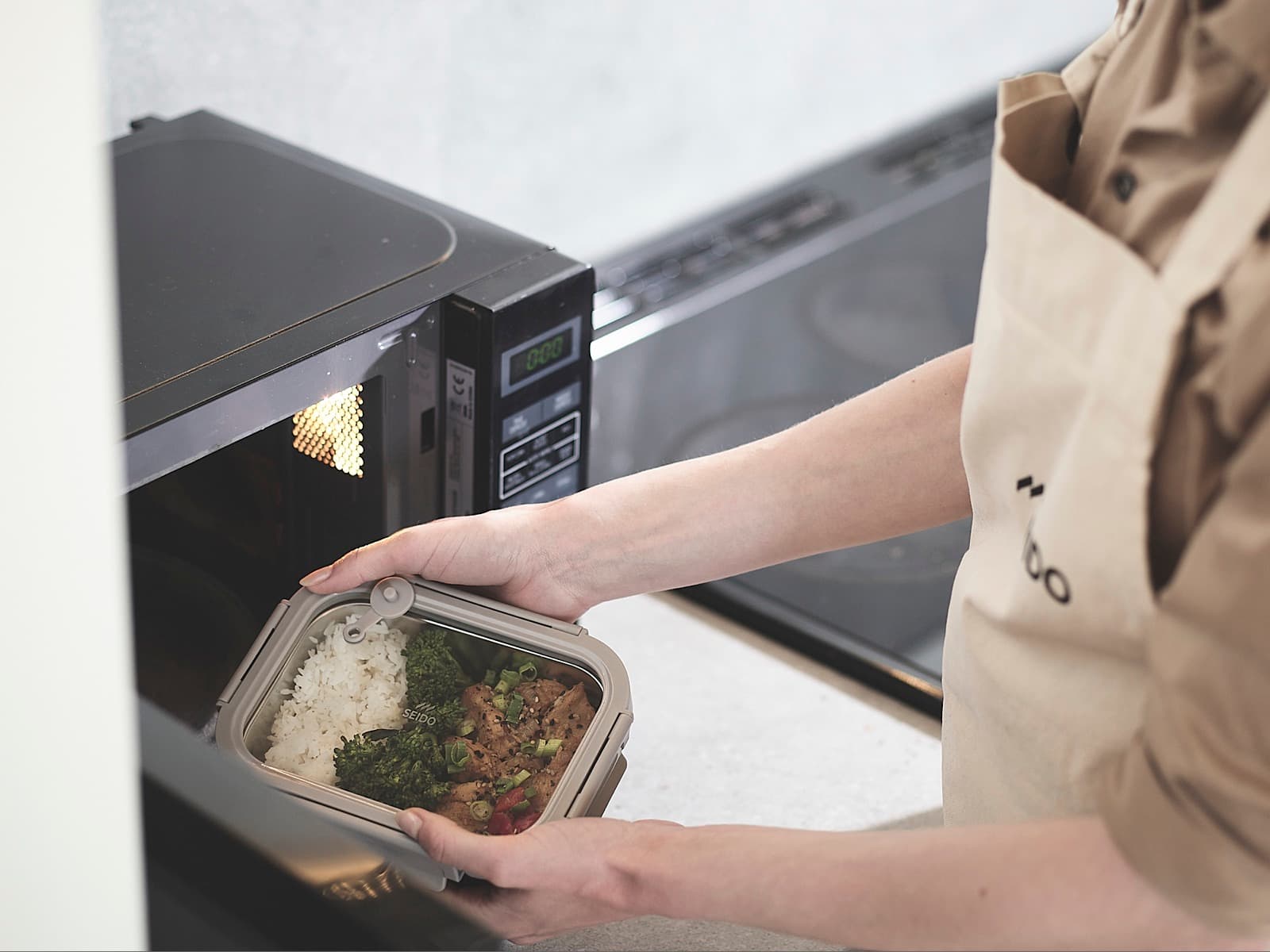
- Can You Microwave Stainless Steel?
Most metal doesn't belong in the microwave — but microwave-safe stainless steel exists when it's designed for it. The physics, and the exception, explained.
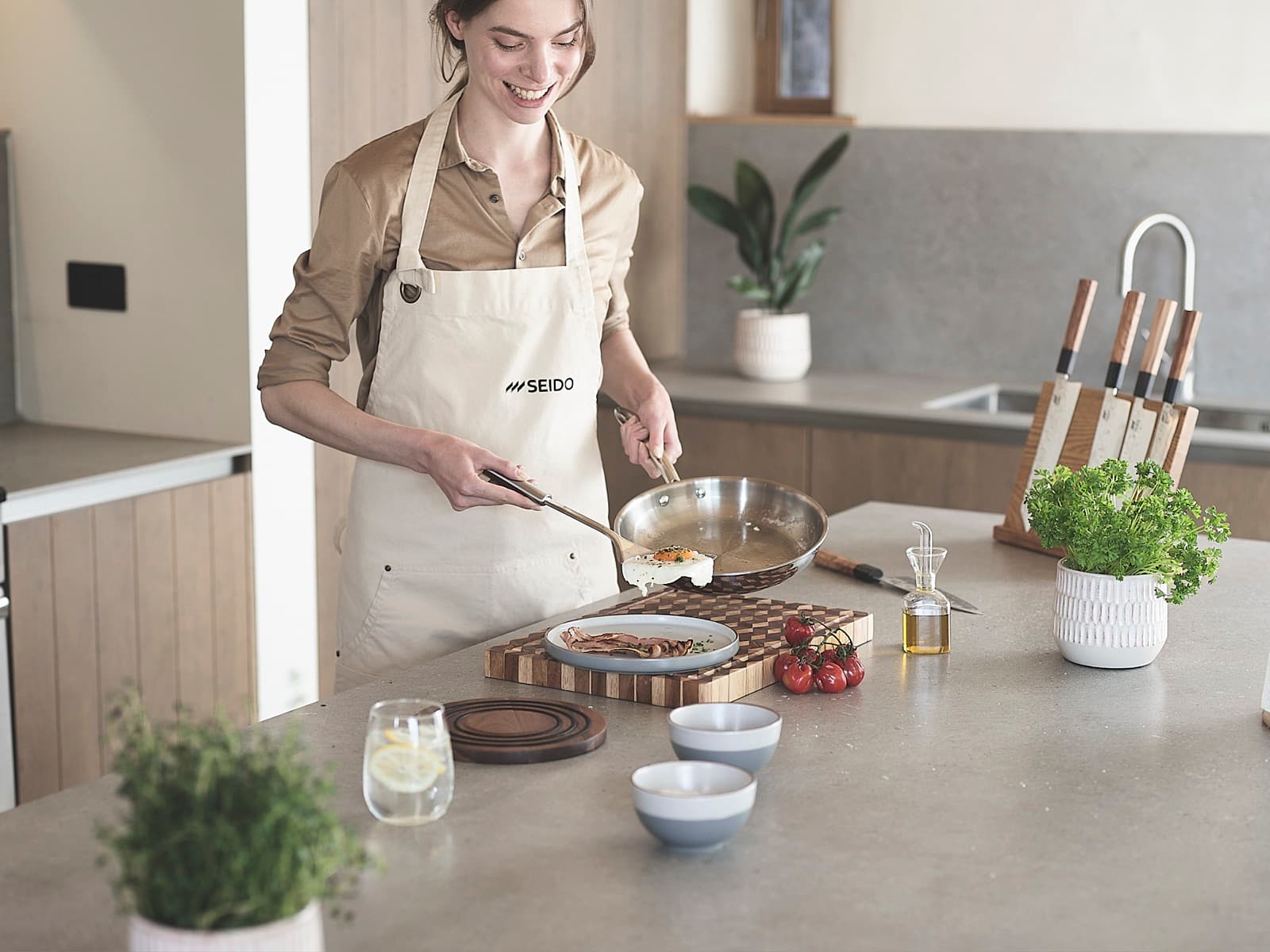
- How to Cook Eggs on Stainless Steel Without Sticking
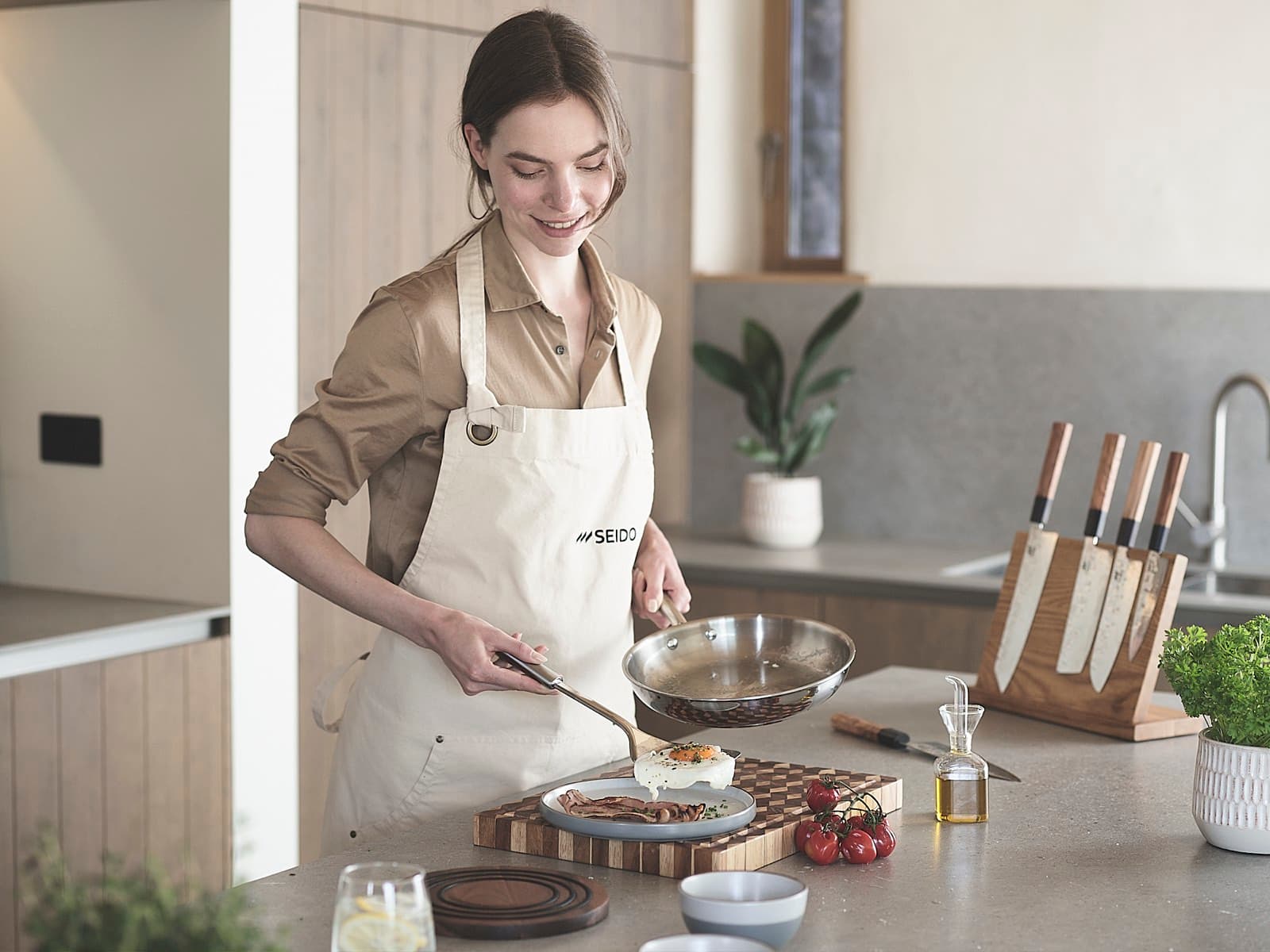
Eggs release cleanly from stainless steel with two variables: proper preheat and enough fat. Learn the water-drop test, heat control, and the release cue.
- Why Food Sticks to Stainless Steel Pans
Food sticks to stainless steel when the pan is too cool or dry. Learn the science of sticking, the water-drop test, and how heat and fat keep food moving.
- Stainless Steel vs Nonstick Pans
Stainless steel vs nonstick pans, compared honestly: how coatings work and wear, what each pan does best, and which one belongs in your kitchen.
- Is Stainless Steel Cookware Safe?
What 304 (18/8) food-grade stainless steel means, how the chromium passive layer works, and an honest look at PFAS and metal leaching in cookware.
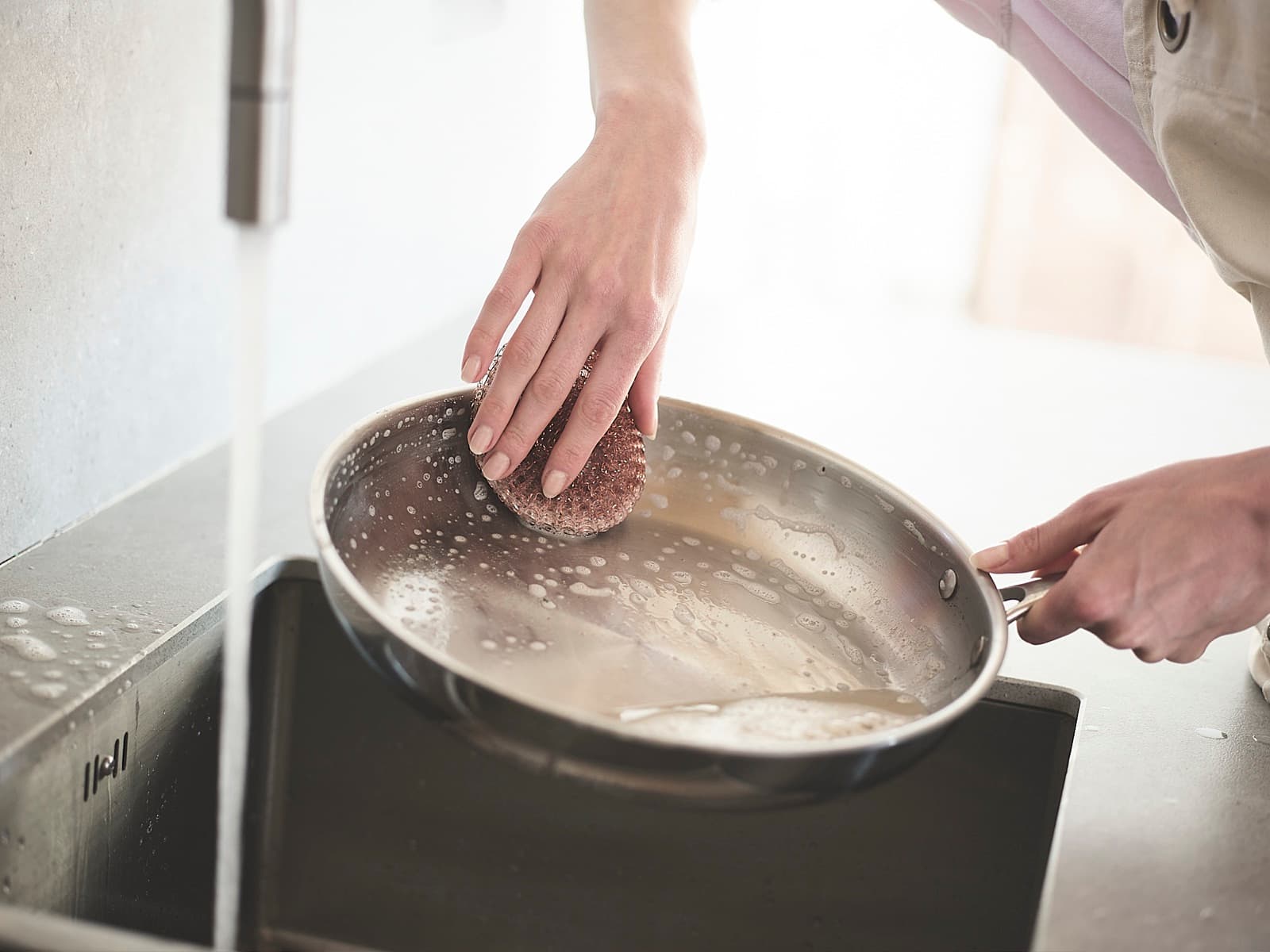
- How to Clean a Burnt Stainless Steel Pan
Deglaze while warm: water and a wooden spoon lift most burnt-on food from stainless steel. Then a soak, baking soda paste, or simmer handles the rest.
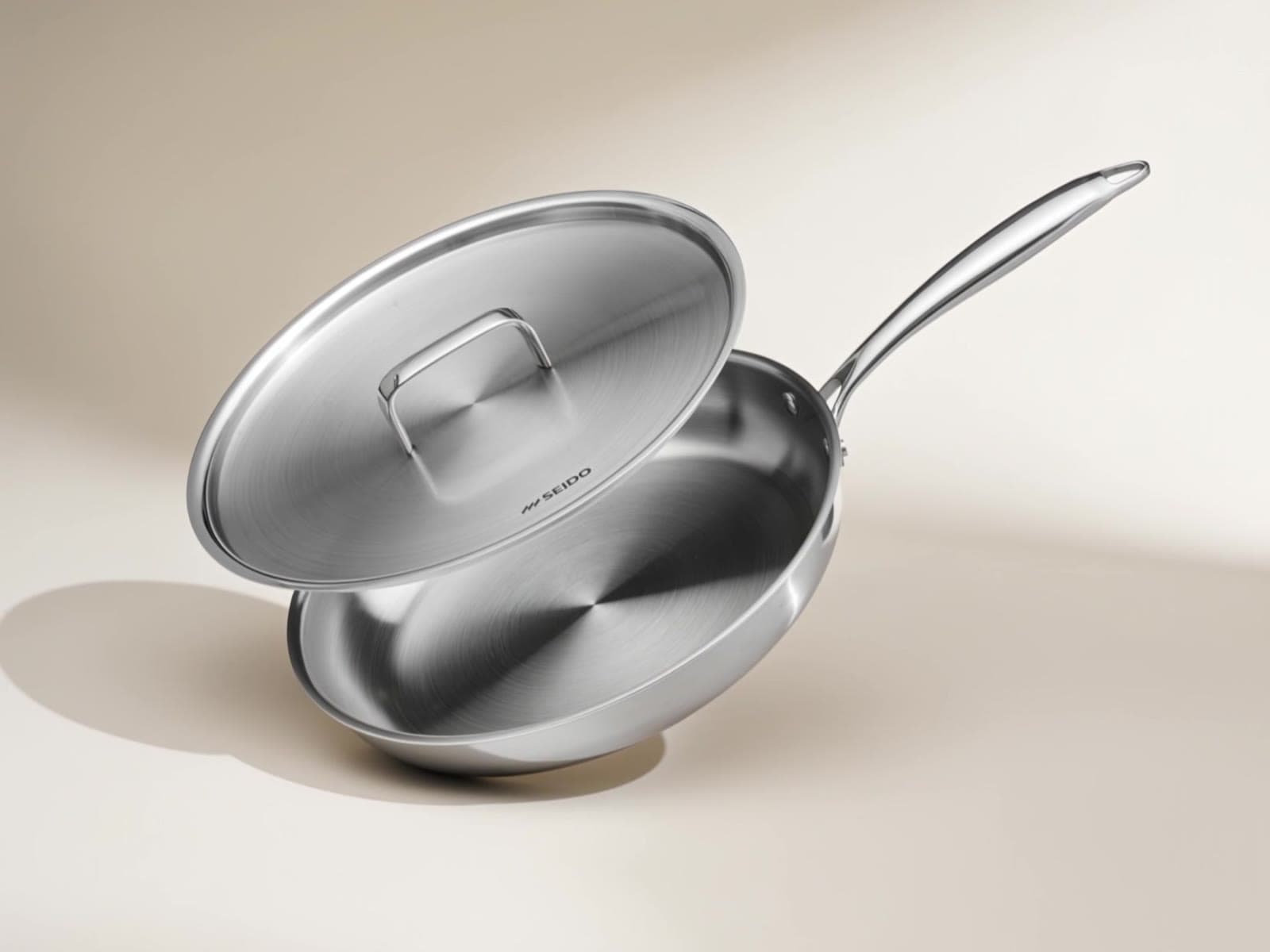
- What Size Skillet Do You Need?
Skillet size follows servings: 8 in (20 cm) for one, 9.5 in (24 cm) for one to two, 11 in (28 cm) for three or more. Measure your burner and match pan to meal.
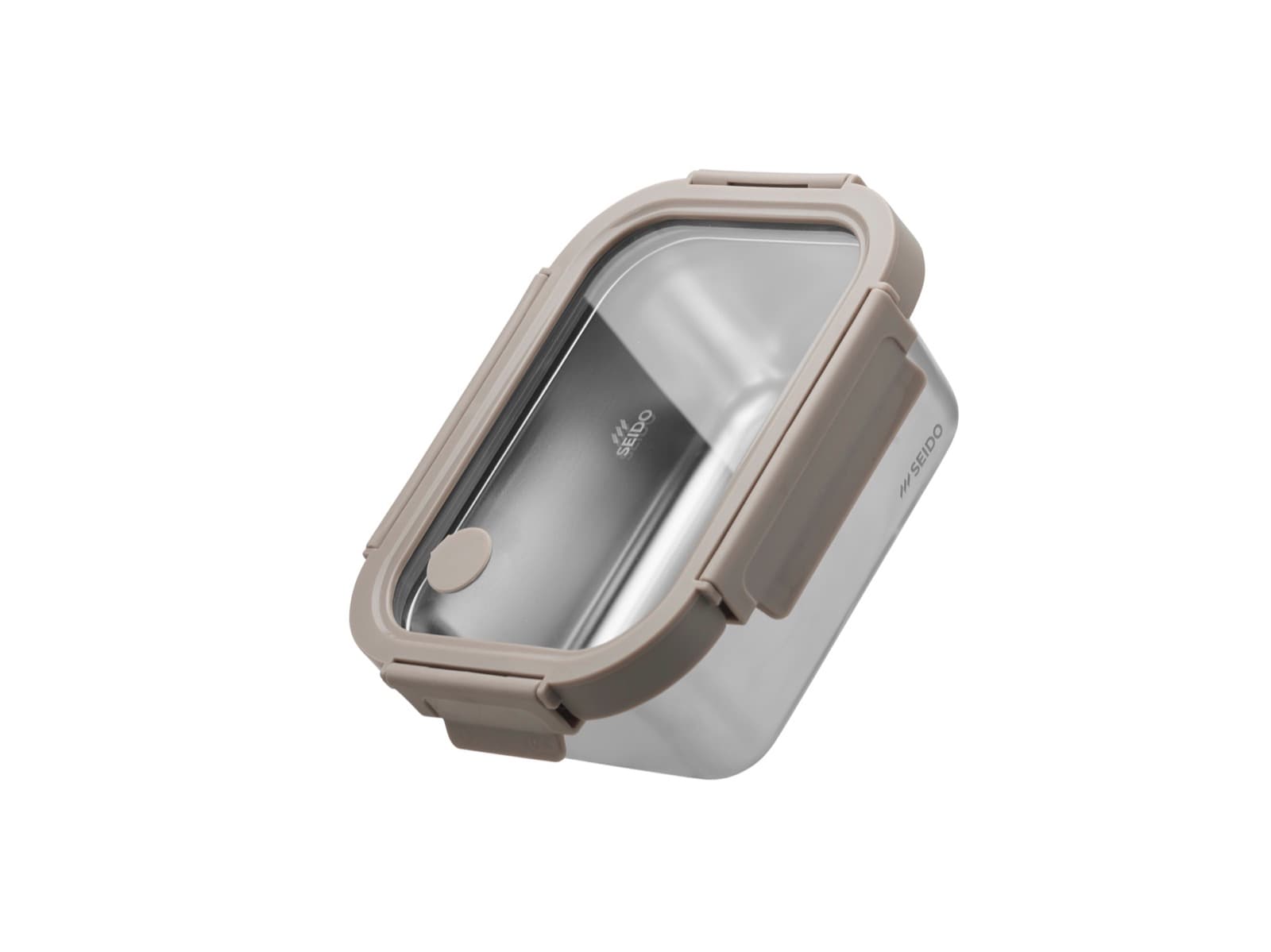
- Stainless Steel vs Plastic Food Containers
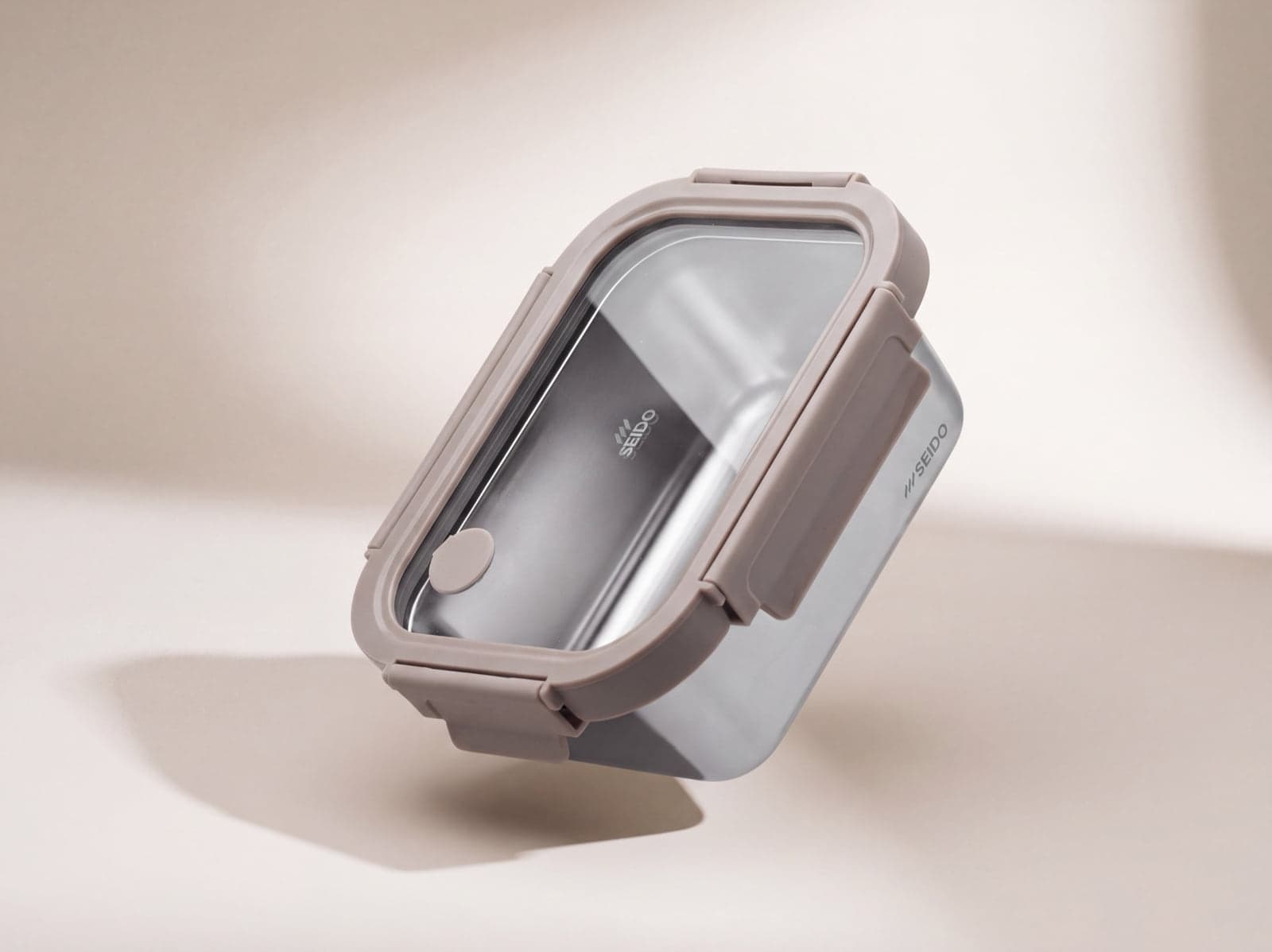
Plastic is lighter and cheaper up front. Stainless steel resists stains, odors, and wear—and SEIDO's lunch boxes are microwave-safe by design. Full comparison.
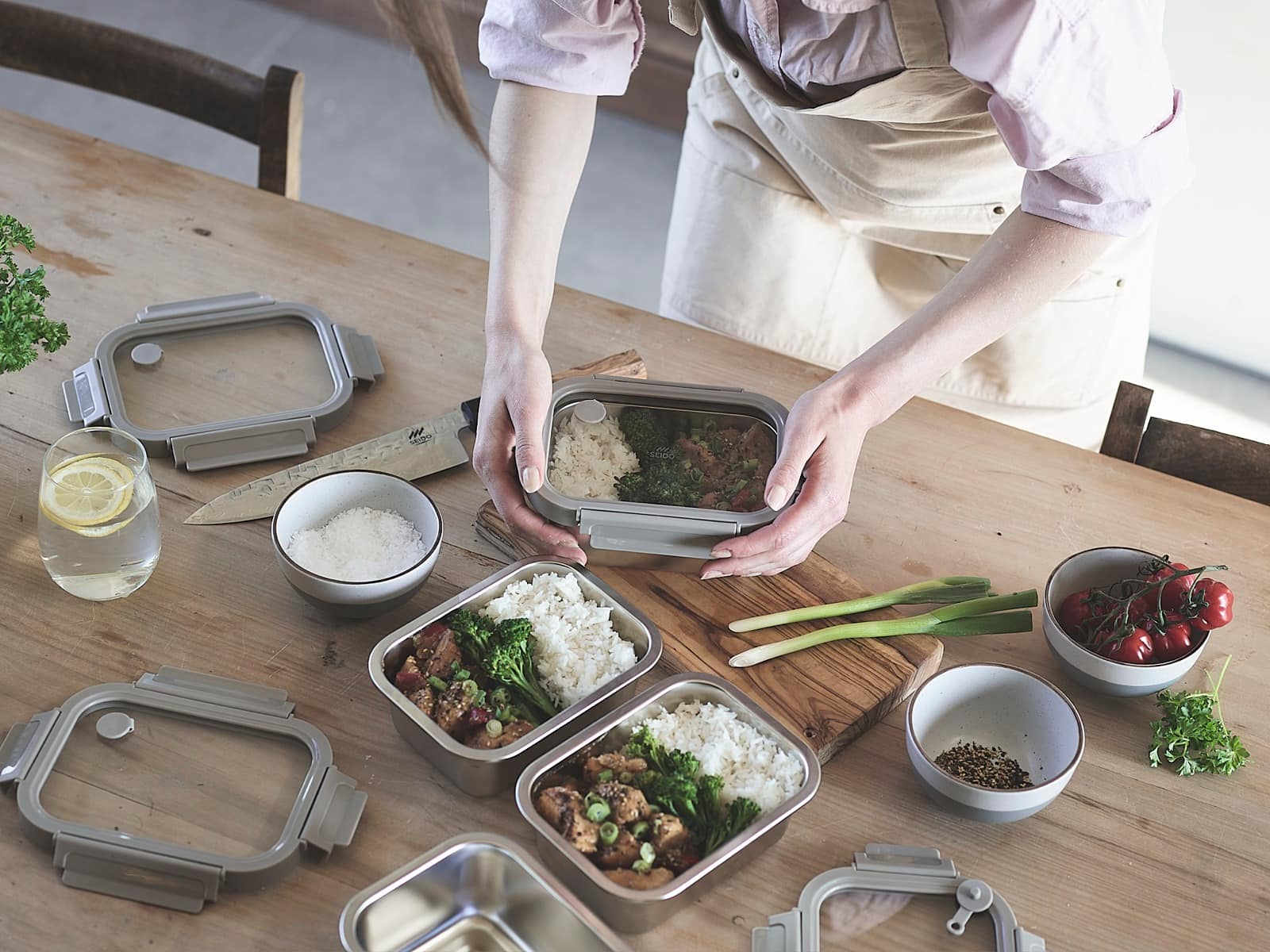
- Stainless Steel Meal Prep Containers for Work and the Gym
A meal prep container that works for the office and gym: 27 oz (800 ml) portions, stainless steel that resists staining and odors, and microwave reheating.
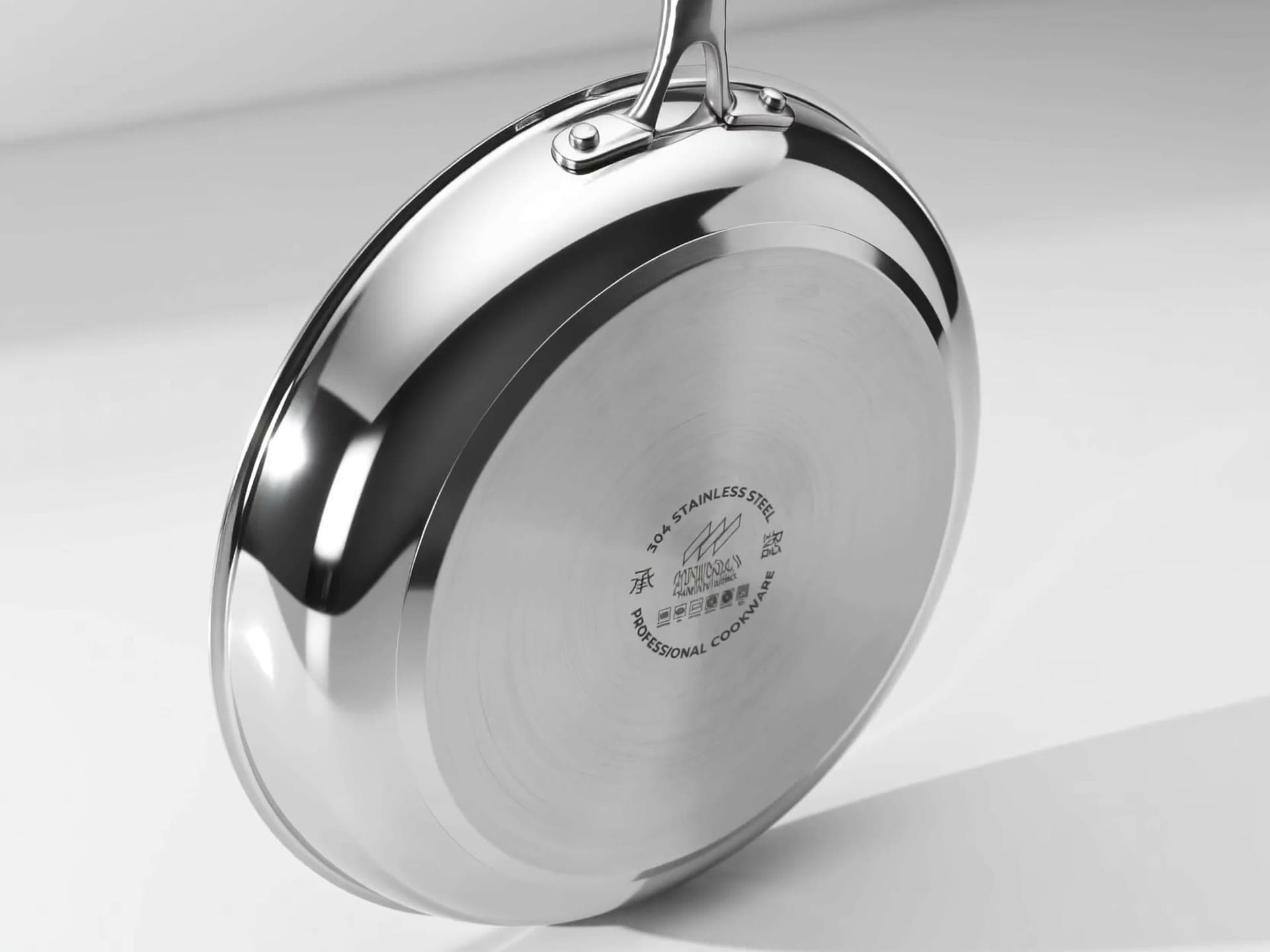
- What Is 18/8 (304) Stainless Steel?
18/8 stainless steel contains 18% chromium and 8% nickel — the same food-grade alloy designated 304. Learn what chromium and nickel each do in cookware.
- Can You Put a Stainless Steel Pan in the Oven?
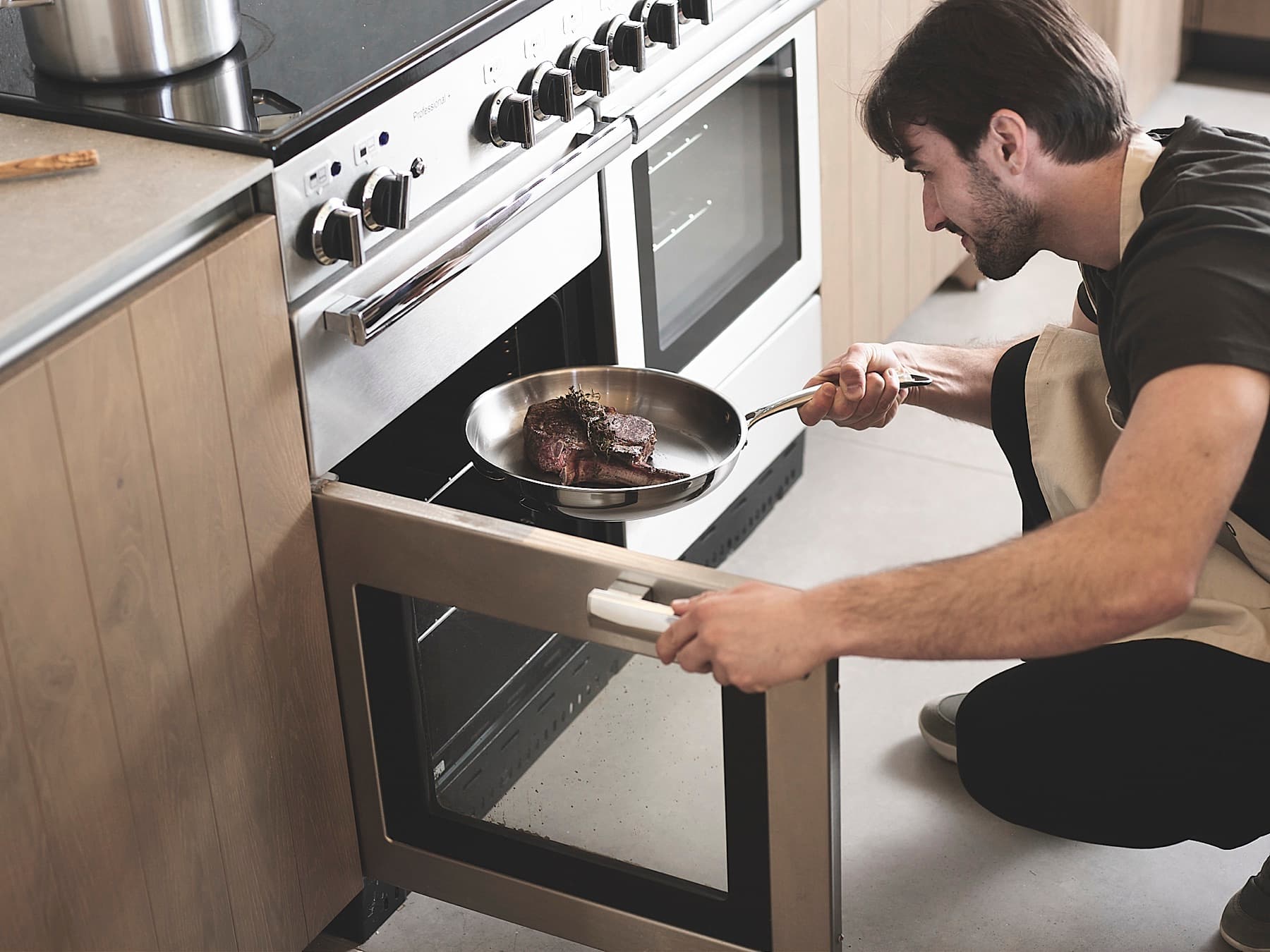
Uncoated stainless steel pans are generally oven-ready — there is no coating to protect. What makes a pan oven-safe, what to check, and how to use it well.
- Do You Need to Season a Stainless Steel Pan?
Stainless steel is not cast iron — no seasoning required. What seasoning actually does, why preheating matters more, and the technique that stops sticking.
- 3-Ply vs 5-Ply Stainless Steel: What Actually Matters
Tri-ply bonds an aluminum core between steel; 5-ply adds layers. How each spreads heat, what the extra weight buys, and why build quality beats ply count.
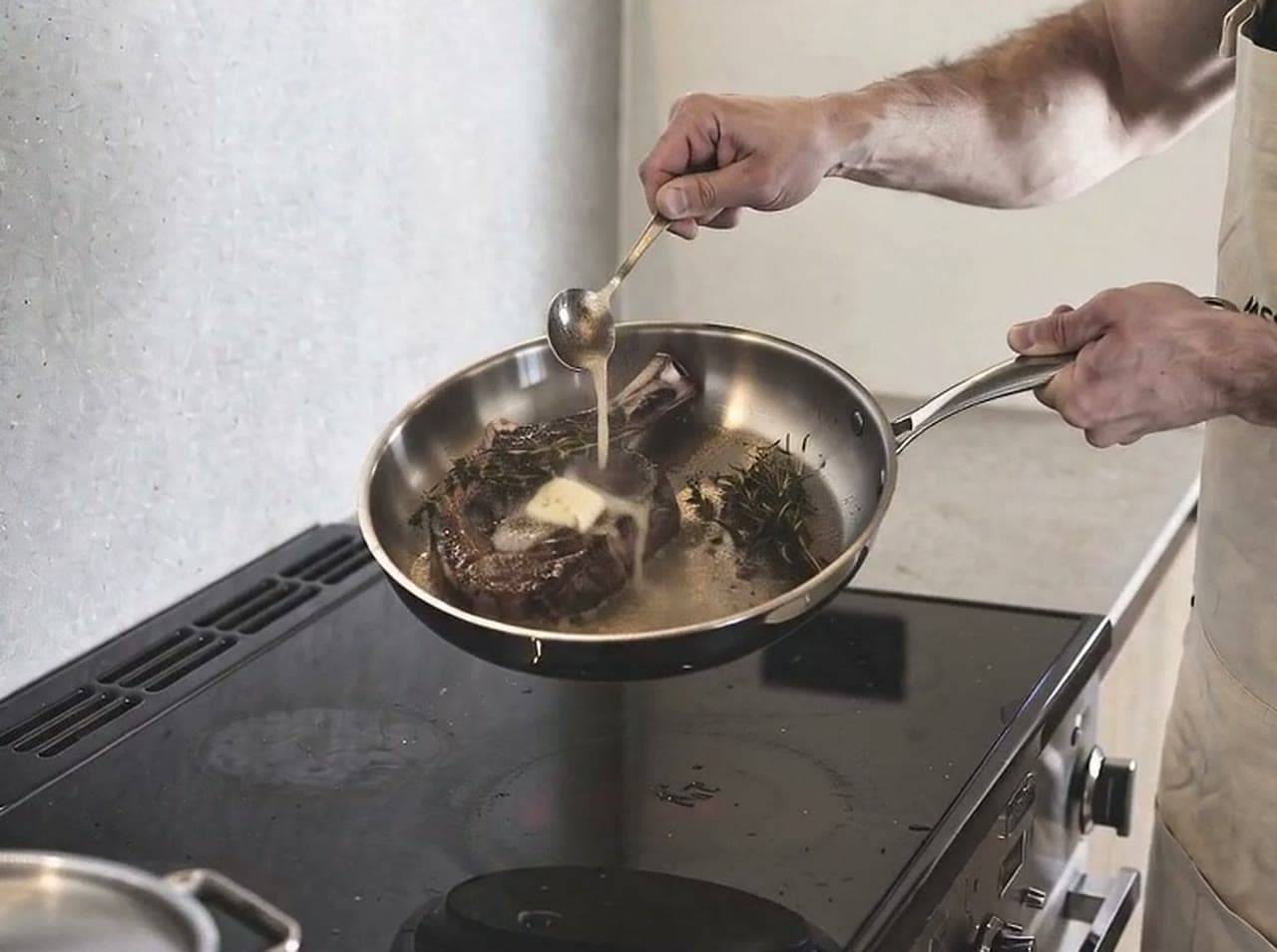
- How to Sear Steak in a Stainless Steel Skillet
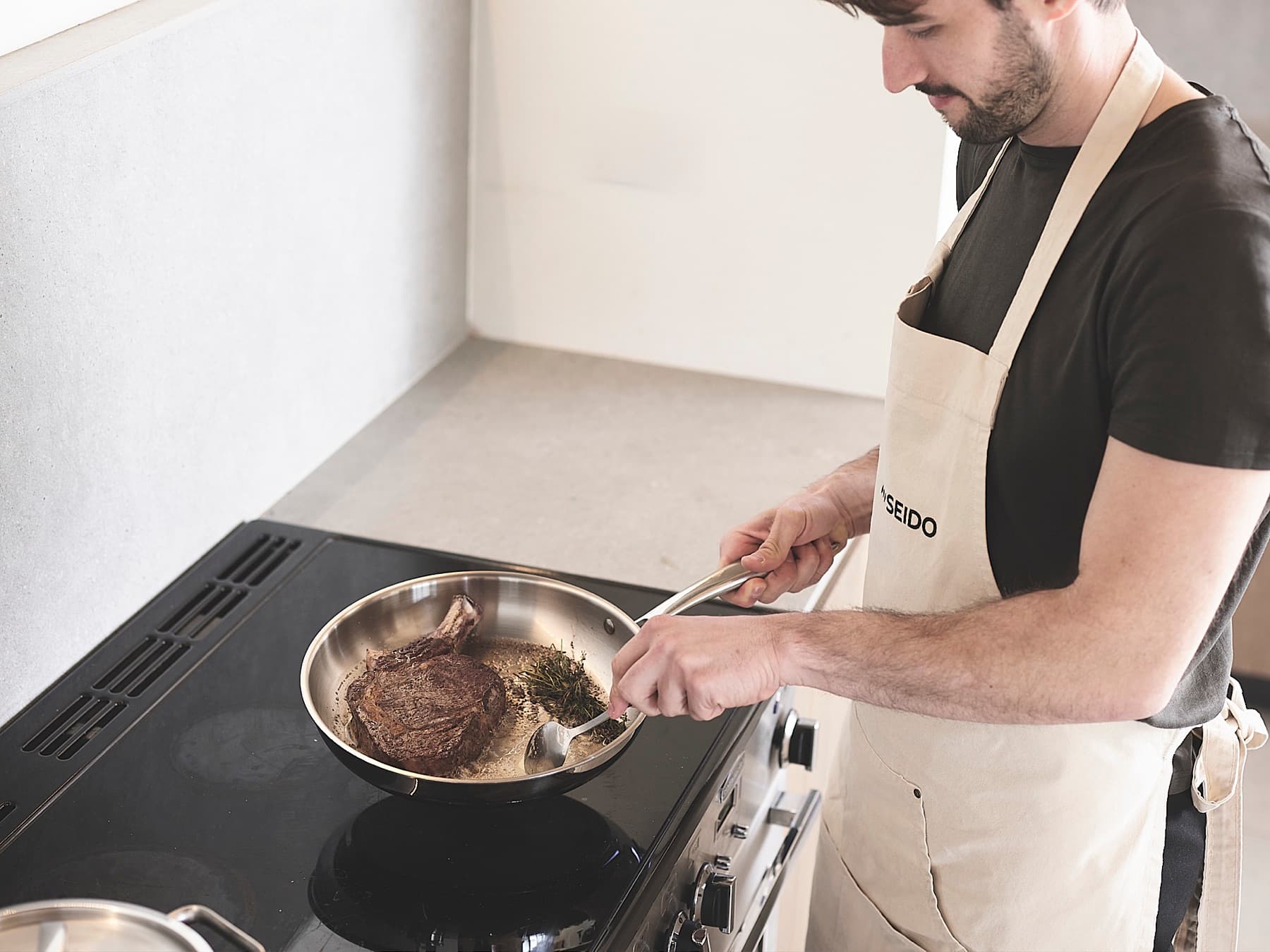
How to sear steak in a stainless steel skillet: dry the meat, preheat until water beads, use a high smoke point oil, and wait for the crust to release.
- How Hot Should a Stainless Steel Pan Be?
Preheat stainless steel over medium heat until water drops bead and glide. Timing by stove type, why pans smoke, which oils work, and if metal utensils are OK.
- Are Nonstick Pans Safe? What PTFE, Scratches and Heat Actually Do
Nonstick pans are approved for food contact when used as directed. Learn what PTFE is, what overheating does, when to replace a pan, and how ceramic differs.
- Why Is My Stainless Steel Pan Discolored?
Rainbow tint, brown film, white spots, pitting and warping: what each mark on a stainless steel pan means, how to remove it, and which damage to prevent.
- Stainless Steel Skillets on Gas, Glass-Top and Induction Stoves
How gas, glass-top and induction stoves each heat a stainless steel skillet, what each one asks of the pan's base, the fridge-magnet test, and care by stove.
- Can You Cook Acidic Foods in Stainless Steel? Tomatoes, Wine, Deglazing and Pan Sauces
Yes. Stainless steel handles tomato sauce, wine and citrus because chromium oxide protects the surface. How acids behave, how to deglaze, and storing leftovers.
- How to Read a Cookware Spec Sheet: Grade, Ply, and What a Test Certificate Proves
Learn what steel grade, ply, and test certificates on a cookware spec sheet really prove, and the one question to ask of every line: tested on what specimen?
- Best Lunch Box for Adults: How to Choose for Work, the Gym and the Commute
The best lunch box for adults holds a real portion, reheats the way your workplace allows, seals in a bag, cleans fast and lasts. Here is how to judge each.
- Best Meal Prep Containers: Choosing by Reheat Method, Freezer Use and Routine
The best meal prep containers fit how you reheat, freeze and carry lunch. Compare plastic, glass and stainless steel by routine, size and what to avoid.
- How to Clean a Stainless Steel Lunch Box: Odors, Rust Spots and the Gasket
How to clean a stainless steel lunch box: a daily routine, getting smells out, what orange spots really are, gasket care, and what the dishwasher does.
- Can You Freeze Food in Stainless Steel Containers?
Yes, stainless steel containers can go in the freezer. Learn how much headspace to leave, what cold does to lids, and how to thaw and reheat frozen meal prep.
- Is It Safe to Microwave Food in Plastic Containers?
What a microwave-safe label on plastic covers, why heat, fat and time drive migration, what microplastics research shows so far, and safer ways to reheat.
- Stainless Steel vs Glass Meal Prep Containers
Stainless steel vs glass meal prep containers compared on weight, breakage, freezing, microwave and oven use, dishwashers, staining, visibility and lifespan.
- Can a Stainless Steel Lunch Box Go in the Oven?
A bare stainless steel container can often go in the oven, but its lid can't. What the oven test covers, why lids stay out, and how to reheat from cold.
- How to Pack a Lunch Without Single-Use Plastic
Swap zip bags, plastic wrap, takeout boxes, disposable utensils and bottles for reusable options. What the EPA and OECD data show, and what to pack in instead.
- A Week of Meal Prep in Stainless Steel
Cook on Sunday, eat through Friday: how to batch-cook, portion, store, freeze, reheat and wash a week of meals in reusable stainless steel containers.
- Stainless Steel vs Carbon Steel Skillets
Stainless steel vs carbon steel skillets: how seasoning, acidic food, weight, heat response, rust and care differ, and which pan suits which kind of cooking.
- Hybrid Nonstick Pans vs Stainless Steel
Hybrid nonstick pans vs stainless steel: how a coating set inside a raised steel pattern cooks, cleans and wears next to bare steel, and who each pan suits.
- Ceramic Nonstick vs Stainless Steel Cookware
Ceramic nonstick vs stainless steel: what a sol-gel coating is, how each pan cooks, why ceramic release fades with use, heat and care, and who each one suits.
- What to Look For in a Clad Stainless Steel Skillet
A buyer's checklist for a clad stainless steel skillet: fully clad vs disc base, what the 18/8 stamp means, flatness, handles, weight, lids and warranty terms.