How to Deglaze a Pan: Gluten-Free Pan Sauce Thickened with Cornstarch
Published November 11, 2026
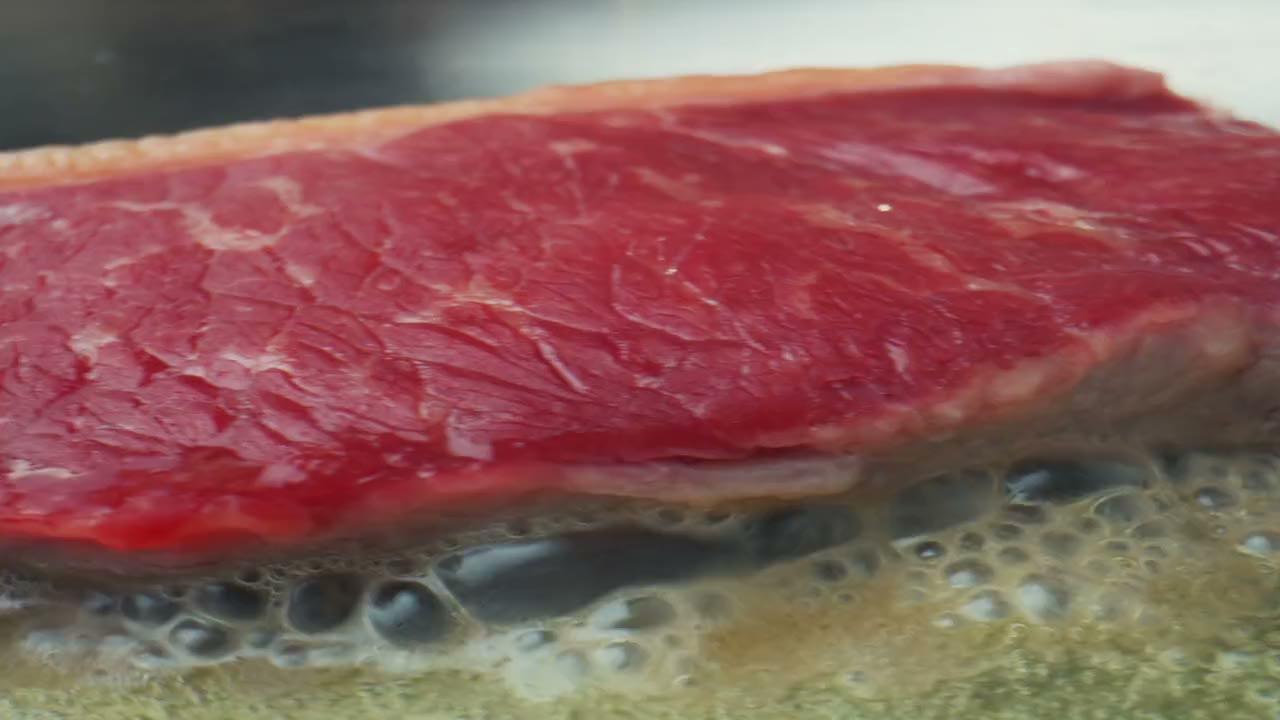
To deglaze a pan, pour a liquid such as wine or stock into the hot skillet after searing and scrape up the browned bits stuck to the bottom, the fond, as it bubbles. The liquid dissolves them into a sauce. Reduce it, and thicken it with a cornstarch slurry instead of flour to keep it gluten-free.
Cornstarch is pure starch from corn, with about twice the thickening power of all-purpose flour, and it gives a glossy, clear sauce rather than a cloudy one.
- Makes
- About ½ cup (120 ml), enough for 2 steaks
- Prep
- 5 min
- Cook
- 8 min
- Total
- 13 min
Made without these major food allergens
- Milk — in an optional garnish only
- Made without Eggs
- Made without Fish
- Made without Crustacean shellfish
- Made without Tree nuts
- Made without Peanuts
- Made without Wheat
- Made without Soybeans
- Made without Sesame
✓ = made without it, as written. A recipe is only as free of an allergen as the labels of the packaged ingredients that go into it, so read every label. If you have a diagnosed food allergy or celiac disease, follow your allergist’s or doctor’s advice. Cooking without the major allergens
Ingredients
About ½ cup (120 ml), enough for 2 steaks
- The skillet you seared steak, chicken or pork chops in, with its browned bits and fat
- 1 small shallot, finely chopped (about 2 tbsp)
- 1 garlic clove, finely chopped
- ½ cup (120 ml) dry red wine, or more stockLabel check: Wine contains sulfites, which are not one of the nine; if you use stock instead, read its label as below.
- ¾ cup (180 ml) beef or chicken stockLabel check: Some stocks and bouillon contain wheat, soy or milk. Choose one labeled gluten-free, and read the allergen statement.
- 1 tsp cornstarch stirred into 1 tbsp cold waterLabel check: Corn contains no gluten; if you cook for someone with celiac disease, choose a cornstarch labeled gluten-free.
- 1 tbsp cold butter, or 1 tbsp extra-virgin olive oil for a dairy-free sauceOptional
- Salt and black pepper, to taste
- Any juices from the resting meat
Method
1Pour off most of the fat
With the meat out of the skillet and resting, pour off all but about 1 tablespoon of the fat. Leave every browned bit in the pan: that is the flavor.
2Soften the shallot
Set the skillet over medium heat. Add the shallot and stir for about 1 minute, until soft, then add the garlic for 15 seconds.
3Deglaze
Pour in the wine (or stock). It will hiss and steam. Scrape the bottom with a wooden spoon or a flat spatula as the liquid loosens the fond and dissolves it, then simmer until reduced by about half.
4Add the stock and reduce
Add the stock and simmer until about a third has cooked away, 3 to 4 minutes.
5Thicken with cornstarch
Stir the slurry again, because the starch settles, then whisk it in. Simmer for 30 to 60 seconds, until the sauce turns glossy and coats a spoon. A teaspoon is enough here: cornstarch thickens about twice as strongly as flour.
6Finish
Take the skillet off the heat. Swirl in the cold butter, or the olive oil for a dairy-free sauce, and the resting juices. Season with salt and pepper and spoon it over the meat.
Tips
- Deglaze a hot pan
- The liquid should sizzle the moment it hits the steel. In a cooled pan the fond sets hard and takes longer to lift.
- Wine, stock or water
- Any liquid lifts fond. Wine adds acidity, stock adds body, and water works when that is all you have. Wine contains sulfites; if you avoid them, use stock.
- Acid and stainless steel
- Stainless steel resists corrosion, so a short simmer with wine, vinegar or lemon juice is a routine use for it.
- Mix the slurry cold
- Cornstarch clumps in hot liquid. Stir it into cold water first, add it near the end, and simmer only until the sauce turns glossy.
- Cleanup starts here
- Deglazing lifts most of what was stuck, so the skillet washes up quickly by hand in hot, soapy water afterward.
Swaps
| Instead of | Use | How |
|---|---|---|
| 2 tbsp all-purpose flour (per 1 cup liquid) | 1 tbsp cornstarch | Stir into cold water first; the sauce turns glossy, not cloudy. |
| A flour roux | A cornstarch slurry, added at the end | Flour suits sauces built on fat; cornstarch suits pan sauces and glazes. |
| Soy sauce for color | Coconut aminos, or tamari labeled gluten-free | Most soy sauce contains wheat; tamari still contains soy. |
Frequently asked questions
- What does deglazing a pan mean?
- Adding a liquid to a hot pan after searing so the browned bits stuck to the bottom, the fond, dissolve into it. It is the first step of most pan sauces.
- Can you use cornstarch instead of flour to thicken a sauce?
- Yes. Cornstarch has about twice the thickening power of all-purpose flour, so use half as much: about 1 tablespoon per cup of liquid where you would use 2 of flour. Mix it with cold water first.
- Is cornstarch gluten-free?
- Corn contains no gluten, the protein found in wheat, barley and rye. For someone with celiac disease, choose a cornstarch labeled gluten-free: in the US that label means the food meets the FDA's definition, which includes less than 20 parts per million of gluten.
Cooking this way is what our 8-inch stainless steel skillet is built for — 8 in (20 cm), tri-ply clad body, 5-layer base, oven-safe, works on induction, 5-year limited warranty.
Sources
- University of Illinois Extension. For a good gravy, you need a thickening agent
- Electronic Code of Federal Regulations. 21 CFR 101.91 — Gluten-free labeling of food
- National Institute of Diabetes and Digestive and Kidney Diseases. Definition & Facts for Celiac Disease
- U.S. Food and Drug Administration. Food Allergies: What You Need to Know
Links checked November 11, 2026.
More recipes and tips
All recipes · Videos · Guides