Top Tips for Steak, Salmon, Scallops and Duck in a Stainless Steel Pan
Published November 11, 2026
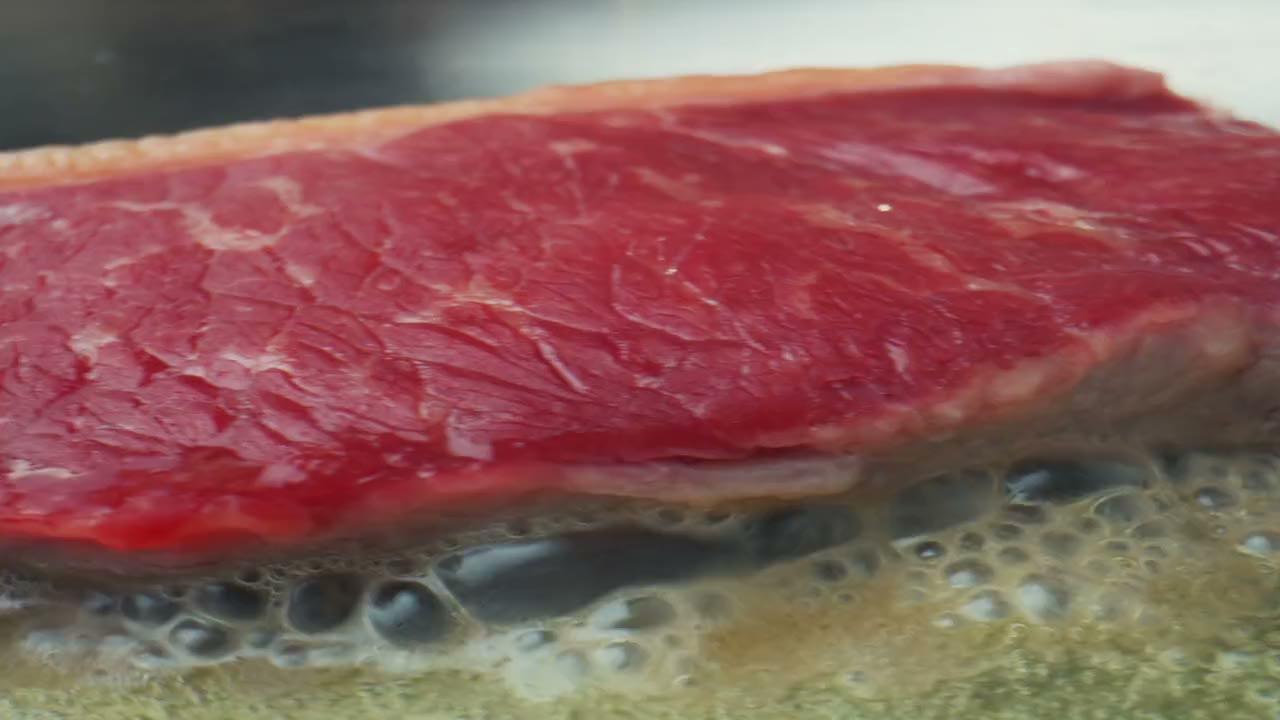
Steak, salmon, scallops, duck breast and chops all cook the same way in a stainless steel pan: dry the surface, preheat the empty pan until a drop of water beads and glides, add a thin film of oil, and leave the food alone until its crust releases from the steel on its own.
What changes from cut to cut is the heat, the timing and the finish. Below are the tips that matter for each, the safe internal temperatures the USDA gives, and how to turn the browned bits left in the pan into a sauce.
What are the rules that apply to every cut?
An uncoated pan rewards the same habits whatever you cook. Most sticking and most pale, steamed results come from skipping one of these.
- Dry the surface. Pat meat and fish dry on every side with paper towels; water has to boil off before browning can start.
- Preheat the empty pan. Two to three minutes over medium-high heat, then the water test: drops that bead and glide mean the pan is ready.
- Use a thin film of oil with a smoke point of about 400°F (205°C) or higher, such as avocado oil, and wait for it to shimmer.
- Lay food away from you and leave it. It grips the steel at first and lets go once the crust has formed.
- Leave space. Crowding drops the pan's temperature and traps steam; cook in batches instead.
- Use an instant-read thermometer, and rest meat before slicing.
How do you cook steak in a stainless steel pan?
Salt the steak, dry it, sear it in a preheated pan until the crust releases, flip, and baste. Steaks thicker than about 1 in (2.5 cm) finish more evenly in a 400°F (205°C) oven; use an oven mitt, because the handle comes out as hot as the oven.
Many cooks pull a steak at 130 to 135°F (54 to 57°C) for medium-rare. The USDA's safe minimum for whole cuts of beef is 145°F (63°C) with a 3-minute rest. Our guide to searing steak in stainless steel covers every step, and our dairy-free pan-seared steak swaps the butter baste for olive oil, garlic and thyme.
How do you cook salmon in a stainless steel pan without the skin sticking?
Dry the skin well and season it. Lay the fillet skin side down in the hot, oiled pan and press it gently with a flat spatula for 10 to 15 seconds so the skin stays flat against the steel.
Cook it mostly on the skin side, until the flesh turns opaque about three-quarters of the way up the side. The skin releases on its own once it is crisp; then turn the fillet for the last 30 to 60 seconds. The USDA's safe minimum for fish is 145°F (63°C).
How do you sear scallops in a stainless steel pan?
Scallops hold a lot of water, so dry them thoroughly between paper towels and pull off the small side muscle if it is still attached. Preheat the pan well, add oil, and set the scallops down in a clockwise ring so you know which went in first.
Leave them for about 90 seconds to 2 minutes, until a golden crust releases from the steel, then turn them for about a minute more. The USDA's guidance is to cook scallops until the flesh is milky white or opaque and firm.
A note on allergies: the FDA's list of nine major food allergens names crustacean shellfish, such as shrimp, crab and lobster. Scallops are mollusks, not crustaceans; if you have a shellfish allergy, ask your allergist before eating them.
How do you cook duck breast in a stainless steel pan?
Score the skin in a crosshatch without cutting into the meat, and season it. Start the breast skin side down in a cold skillet, then turn the heat to medium, so the fat under the skin melts out slowly and the skin crisps; this takes about 10 to 15 minutes.
Pour off the fat as it collects (it is worth keeping for roasting potatoes), then turn the breast to finish the other side. The USDA lists 165°F (74°C) as the safe minimum for all poultry, duck included. Rest it for 5 minutes before slicing.
How do you cook lamb and pork chops in a stainless steel pan?
Render the fat first: hold the chops upright with tongs, fat edge down on the hot steel, for a minute or two until it browns. Then lay them flat and sear each side until the crust releases.
The USDA's safe minimum for whole cuts of lamb and pork is 145°F (63°C) with a 3-minute rest.
How do you sear tuna steaks?
Pat the steaks dry, press coarse black pepper onto both sides, and sear them in a very hot pan for 1 to 2 minutes a side, so the outside browns while the middle stays deep pink. Many cooks serve seared tuna that way; the USDA's safe minimum for fish is 145°F (63°C), so cook it through if that is your preference.
What is the fond, and how do you deglaze it into a sauce?
The fond is the brown layer left stuck to the pan after searing: proteins and sugars from the meat that bonded to the bare steel and browned. It is pure flavor, and it is the reason cooks reach for stainless steel when they want a pan sauce.
To deglaze, pour off most of the fat, soften a chopped shallot, then add a splash of wine or stock to the hot pan and scrape the bottom with a wooden spoon as it bubbles. The liquid lifts the fond and dissolves it. Reduce it, and thicken it if you like: our gluten-free pan sauce uses cornstarch instead of flour.
Brown, sticky bits are flavor; black, acrid bits are burnt. If the pan smells scorched, wipe it out and start the sauce fresh.
How do you clean the pan after searing?
Deglaze while the pan is still warm, even with plain water if you are not making a sauce: most of what was stuck lifts straight off. Then wash the skillet by hand in hot, soapy water. For browning that will not shift, see our guide to cleaning a burnt stainless steel pan.
Frequently asked questions
- Why does food stick to my stainless steel pan when I sear?
- Usually the pan was not hot enough, the food was wet, or it was moved too soon. Preheat until a drop of water beads and glides, dry the food, add oil, and wait: the crust releases on its own once it has formed.
- Should I oil the pan or the meat?
- Either works if the pan is preheated first. Oiling the hot pan is the most common method: add a thin film and wait for it to shimmer before the food goes in.
- What temperature should salmon, duck and pork reach?
- The USDA's safe minimums are 145°F (63°C) for fish, 165°F (74°C) for all poultry including duck, and 145°F (63°C) with a 3-minute rest for whole cuts of pork, lamb and beef.
Cooking this way is what our 9.5-inch stainless steel skillet is built for — 9.5 in (24 cm), tri-ply clad body, 5-layer base, oven-safe, works on induction, 5-year limited warranty.
Sources
- USDA Food Safety and Inspection Service. Safe Minimum Internal Temperature Chart
- U.S. Food and Drug Administration. Food Allergies: What You Need to Know
Links checked November 11, 2026.
More recipes and tips
All recipes · Videos · Guides